
Top Preschools in Singapore (2026)
Singapore is home to over 300 preschools and early learning centres, offering a wide range of approaches including play-based learning, Reggio Emilia inspired environments, Montessori education, and internationally aligned early years curricula.
This 2026 guide provides a structured overview of some of the top preschools in Singapore among others, helping families quickly compare key factors such as curriculum approach, age range, fees and learning environment to support early-stage shortlisting.
Compare the Top 10 Preschools in Singapore (2026)
| Preschool | Curriculum | Starting Age | Fees Range (SGD) AY 2026 – 2027 |
Location |
| Dover Court International School | British Early Years Foundation Stage (EYFS), with learning through play | 3 yrs | $30,198 – $36,324 Nursery – Reception View Fees |
Dover |
| Singapore American School (SAS) – ELC | American education; Reggio Emilia-inspired preschool and pre-kindergarten | 3 yrs | $53,940 – $59,070 Preschool – Kindergarten View Fees |
Woodlands |
| North London Collegiate School (Singapore) | NLCS early years curriculum combining play, inquiry, literacy and numeracy | 3 yrs | $37,563 – $45,166 PreK – Kindergarten 2 View Fees |
Queenstown |
| XCL World Academy (XWA) Early Years | Play-based Nursery; IB Primary Years Programme from Pre-Kindergarten, with bilingual options | 18 months | $27,580 – $40,360 Nursery – Grade 1 View Fees |
Yishun |
| Nexus International School Singapore (Early Years) | IB Primary Years Programme, with inquiry and learning through play | 3 yrs | $26,600 – $40,400 Nursery – Year 1 View Fees |
Aljunied |
| MapleBear PreSchool | Canadian early childhood approach with bilingual learning | 18 months | Available on Request | 62+ campuses across Singapore |
| Odyssey The Global Preschool | Reggio Emilia-inspired inquiry; IB Primary Years Programme at selected campuses | 18 months | Available on Request | 6 campuses across Singapore |
| Rain Trees International Kindergarten | British EYFS-based learning through play, with outdoor exploration and Mandarin | 18 months | Available on Request | Holland Road |
| Shaws Preschool | Learning through play, with English and Mandarin, sports and outdoor activities | 18 months | Available on Request | 5 campuses across Singapore |
| Brighton Montessori | Montessori approach, including practical life, sensorial activities, language and mathematics | 18 months | Available on Request | 7 campuses across Singapore |
*Fees are indicative annual tuition ranges for early years programmes and may vary by age group, campus, and additional charges.
DOVER COURT INTERNATIONAL SCHOOL (SINGAPORE)
 Dover, Singapore
Founded In: 1972
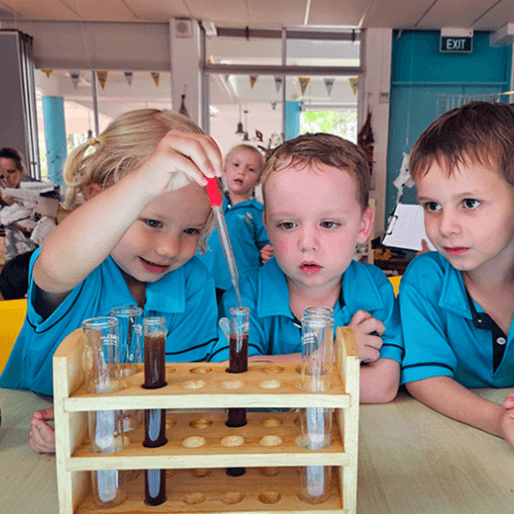
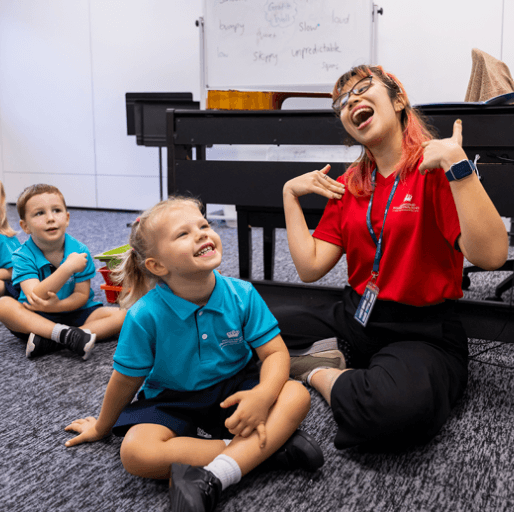
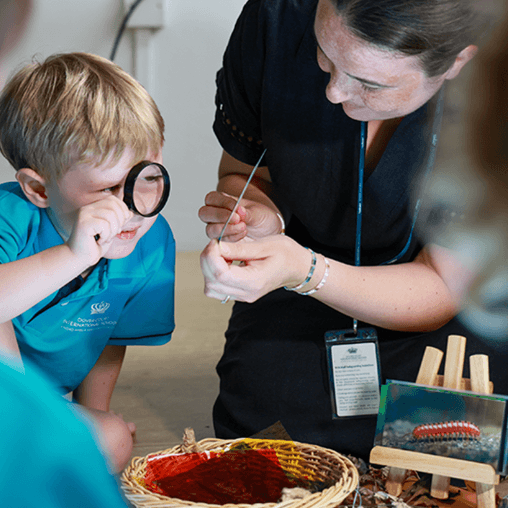
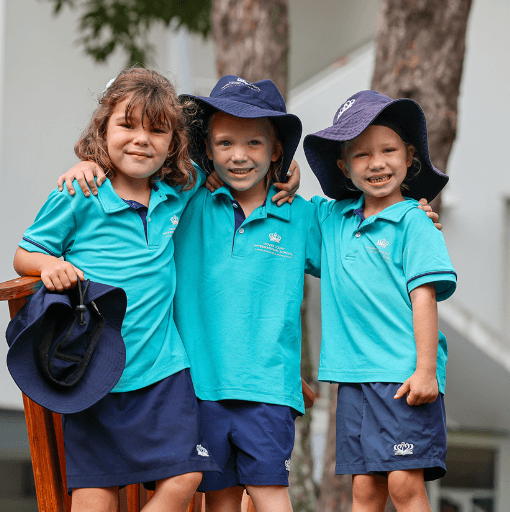
Dover Court International School’s Early Years programme follows the EYFS framework across seven learning areas, including communication and language, physical development, personal, social and emotional development, literacy, maths, understanding the world, and expressive arts and design. The school also draws on the International Primary Curriculum to add a thematic and globally minded layer to early learning.
Children are introduced to Mandarin, music through Dover Court’s Juilliard collaboration, PE and swimming from the early years. The programme is housed within the school’s NEST environment, a dedicated space on Dover Court International School Singapore’s 12-acre green campus with calm classrooms, open-ended learning materials, and a Discovery and Play Cove designed around the way young children play.
SINGAPORE AMERICAN SCHOOL
Woodlands, Singapore
Founded In: 1956
At Singapore American School (SAS), early childhood education is positioned around the school’s understanding of children as active participants in their own learning. Preschool students and teachers investigate, create, build relationships and make sense of the world together through a Reggio-inspired approach.
The Early Learning Center at Singapore American School (SAS) places strong emphasis on environment, teacher observation and the “hundred languages” of children. SAS describes its environment as intentional, flexible and reflective, while teachers observe, listen, question and support children’s ideas, hypotheses and theories.

NORTH LONDON COLLEGIATE SCHOOL (SINGAPORE)
Depot Road, Singapore
Founded In: 2020
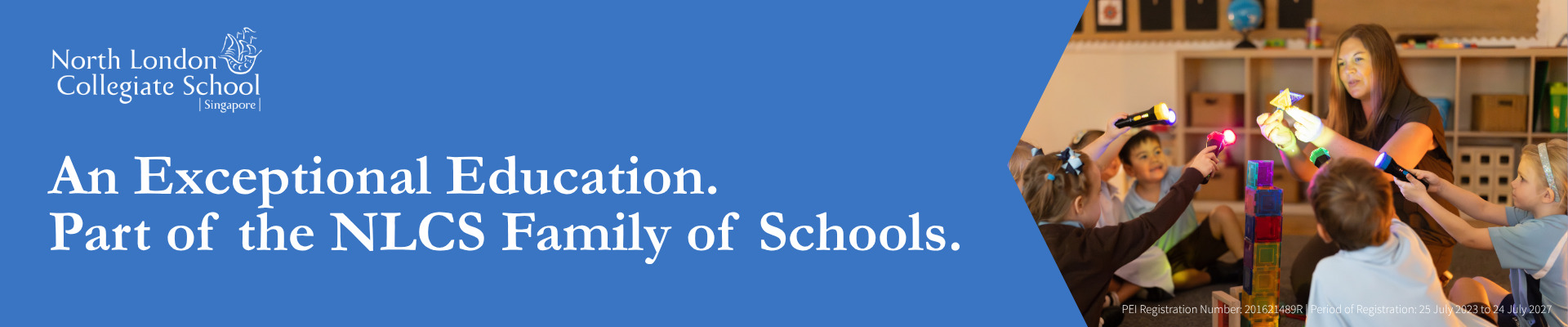
North London Collegiate School Singapore’s Early Years programme is built around exploration, discovery and carefully guided early learning. Through hands-on activities, play-based experiences and structured academic challenges, young learners begin developing curiosity, creativity and confidence from the first stage of school life.
The Early Years curriculum at NLCS Singapore integrates early literacy, numeracy, inquiry and creative expression, supporting a holistic foundation for learning. Personal growth, social skills and emotional well-being are also central to the First School experience, while daily Mandarin sessions introduce children to language and culture as part of their early years journe
XCL WORLD ACADEMY
Yishun, Singapore
Founded In: 2014
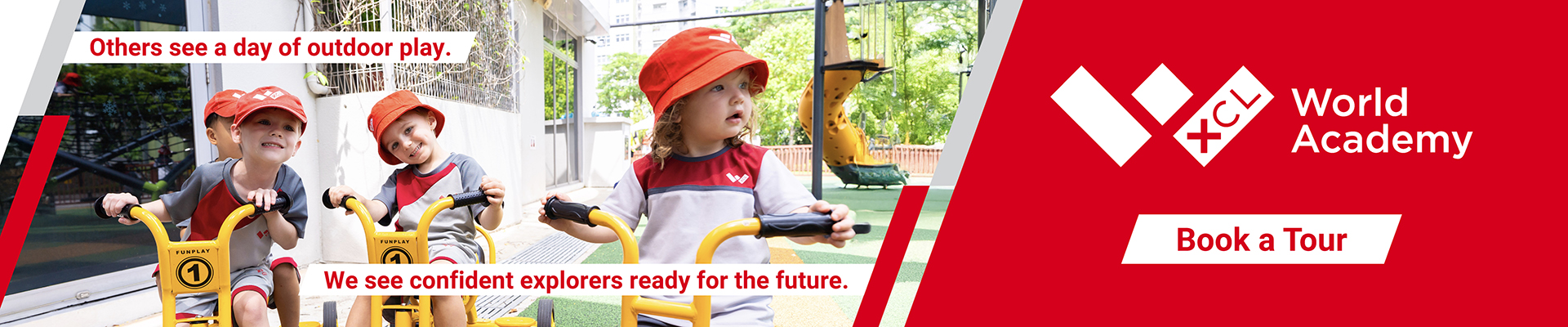
For families looking at an international preschool in Singapore with a structured yet play-led start, XCL World Academy (XWA) offers a Nursery programme for children aged 18 months to 3 years. The school describes the programme as creative, engaging and age-appropriate, with activities designed to build imagination, curiosity, confidence and self-management skills.
The Nursery programme at XCL World Academy (XWA Singapore includes hands-on and experiential activities, with children using a dedicated Nursery entrance and spending time in a purpose-built learning area. XWA also highlights personalised attention, certified teaching partners, parent updates through the SeeSaw platform, and learning outcomes that include listening, speaking, mark-making, puzzles, STEM resources, sharing, turn-taking and greater independence in daily routines.
NEXUS INTERNATIONAL SCHOOL (SINGAPORE)
Aljunied Walk, Singapore
Founded In: 2011
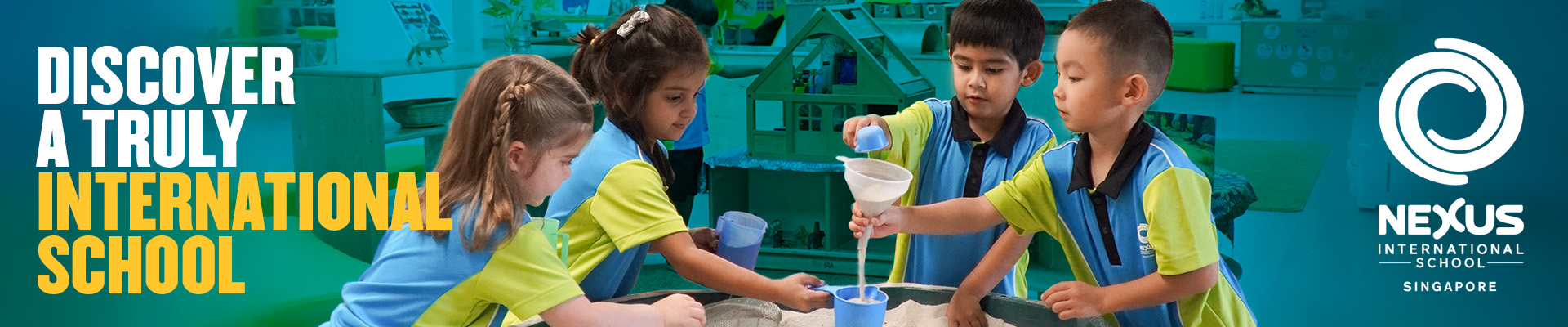
Nexus International School offers an early years programme for children aged 3 to 6, combining play-based learning with a focus on independence, communication, and collaboration. The environment is purpose-designed for younger learners, supporting hands-on exploration within a structured and supportive setting.
A notable feature is the level of exposure children receive from an early stage, including weekly swimming, music, physical education, and daily language learning. The programme is supported by early years specialists, a 1:7 adult-to-child ratio, and digital platforms such as SeeSaw, providing regular updates and direct communication between teachers and parents.
Which Preschool is Right for Your Child?
How to choose a preschool in Singapore
Choosing a preschool in Singapore depends on a few key factors:
- Starting age (18 months vs 2–3 years entry)
- Curriculum approach (play-based, Montessori, Reggio Emilia-inspired, structured early years)
- Daily structure (free exploration vs structured routines)
- Facilities and specialist exposure (e.g. swimming, music, outdoor spaces)
- Location and commute
One important consideration: Many parents also look at whether the preschool in Singapore is part of a larger international school, particularly if they are planning long-term continuity or have older siblings enrolled, as some preschools may offer sibling priority or fee discounts.
2026 Preschool Fees in Singapore Explained
Preschool fees in Singapore vary widely depending on the type of school, facilities, and programme structure. Fees may also differ based on the programme schedule, such as half-day or full-day options, as well as the number of days attended per week.
-
Premium international school preschools: $30,000 – $45,000 per year
-
Mid-range international preschools: $20,000 – $35,000 per year
-
Local and network preschools: $15,000 – $25,000 per year
Fees may also vary depending on campus location, included services (such as meals or enrichment programmes), and billing structure.
Types of Preschool Curriculum in Singapore
Preschools in Singapore offer a range of early years approaches, each designed to support different aspects of child development. The most common preschool curriculum approaches in Singapore include:
- Play-based learning: Focuses on exploration, creativity, and social development through guided and free play
- Reggio Emilia-inspired: Emphasises child-led inquiry, project-based learning, and the learning environment as a key part of development
- Montessori: Encourages independence through structured, hands-on activities and self-directed learning
- British EYFS (Early Years Foundation Stage): Combines play-based learning with defined developmental milestones across key learning areas
- International early years programmes: Blend inquiry, collaboration, and early academic foundations within a structured school environment
The right approach depends on the child’s learning style, as well as the level of structure, independence, and academic exposure parents are looking for.
Frequently Asked Questions About Preschools in Singapore
What age do children start preschool in Singapore?
Check the school’s age cut-off date and entry requirements for the intended academic year.
What is the best preschool curriculum in Singapore?
There is no single best preschool curriculum in Singapore. Each approach offers a different balance of independence, exploration, guided learning and early academic development.
Montessori encourages children to develop concentration, independence and practical skills through hands-on materials and activities at their own pace.
Reggio Emilia-inspired programmes place emphasis on children’s interests, creative expression, collaborative projects and learning through exploration.
The British Early Years Foundation Stage (EYFS) supports development across seven learning areas, including communication, physical development, literacy and mathematics.
The IB Primary Years Programme (PYP) uses inquiry and play to help young children ask questions, explore ideas and make connections with the world around them.
These approaches can overlap, particularly in their use of play and active learning. When choosing a preschool, consider how teachers support your child’s needs, balance guided activities with independent exploration, introduce languages and help children build confidence and friendships.
A school visit can show how the curriculum works in everyday classroom life.
How much do preschools cost in Singapore?
Application, enrolment and facility or development charges may be additional. Other preschool providers offer fees on enquiry, so request a quotation for the specific campus and programme.
What is the difference between half-day and full-day preschool programmes?
Check the programme’s daily schedule, collection times and school holiday arrangements before enrolling
Do preschools in Singapore offer sibling discounts?
Yes. Some preschools do offer sibling priority for admissions or fee discounts for families with more than one child enrolled, although this varies by school.
Are international school preschools different from standalone preschools?
International school preschools are often part of a larger school environment, offering access to wider facilities and a more structured pathway, while standalone preschools may focus more specifically on early years education.
Which are the best preschools in Singapore?
Some of the best preschools in Singapore include Dover Court International School, Singapore American School (SAS), XCL World Academy and North London Collegiate School Singapore.
These preschools have been recognised for their strong early years programmes, facilities, and overall learning environment, as well as their integration within larger international schools, offering continuity for older siblings.
The best choice depends on your child’s age, preferred learning approach, location, programme hours and budget.