
Dover Court International School (Singapore)
Dover Court International School (DCIS) in Singapore delivers its preschool education through the Early Years Foundation Stage (EYFS), designed for children aged 3 to 5. The programme is structured across seven key learning areas, including communication, literacy, numeracy, physical development, and expressive arts, ensuring a well-rounded early foundation aligned with the English National Curriculum pathway.
The Early Years approach at DCIS is influenced by Reggio Emilia principles, where learning is guided by children’s curiosity and active participation. Classrooms are designed to support exploration, collaboration, and self-expression, with purposeful play forming a central part of daily learning.
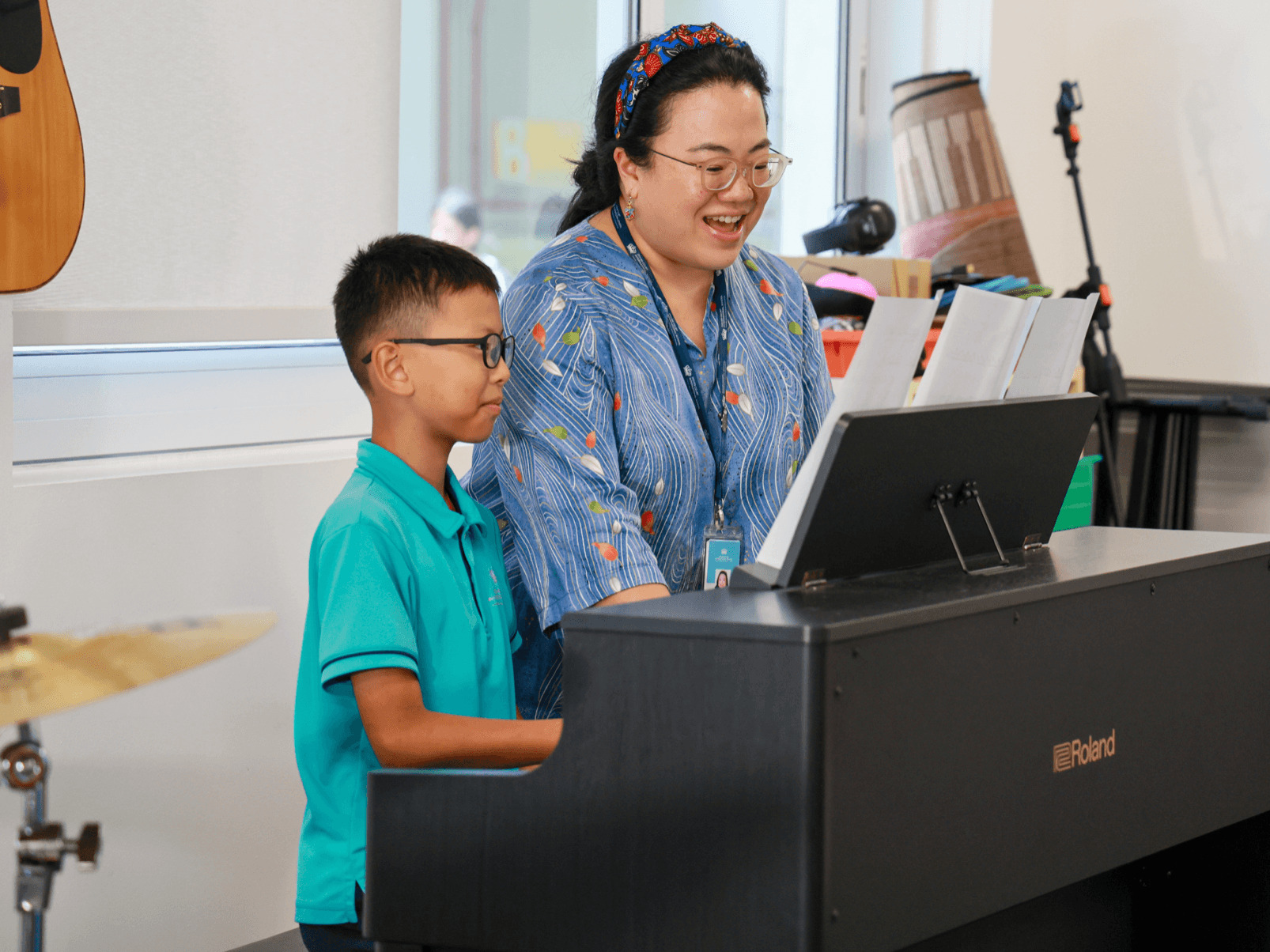
This child-led methodology encourages critical thinking, problem-solving, and early independence while allowing teachers to personalise learning based on each child’s interests and developmental stage. In addition to core classroom learning, students are introduced to specialist experiences such as Mandarin, music, physical education, and swimming from an early age.
These structured enrichment elements support language acquisition, creativity, and motor skill development, while the school’s strong focus on pastoral care and family engagement ensures a consistent and supportive transition into primary education.



Detailed Information
EDUCATION LEVEL : Pre-SchoolPrimarySecondarySenior/HighSupporting Learning Challenges
CURRICULUM : ASDANBritish CurriculumBTECEarly Years Foundation Stage (EYFS)International Baccalaureate Diploma Program (DP/IBDP)International Primary Curriculum (IPC)Reggio Emilia-inspired approach
Facilities :
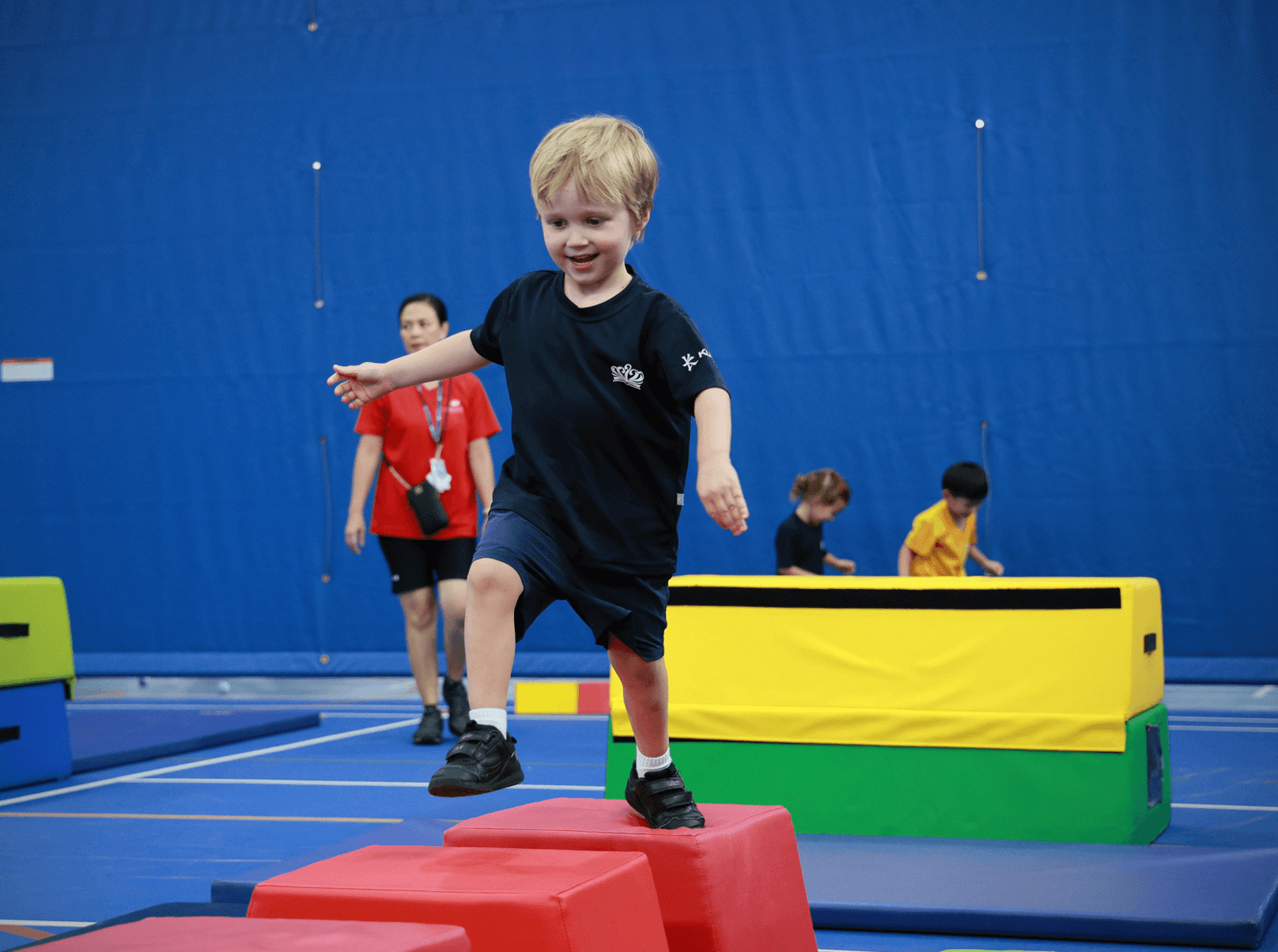
- Air-Conditioned / Indoor Gymnasiums
- All-weather Sports Field
- Art Studio
- Auditoriums
- Junior Playground/ Play area
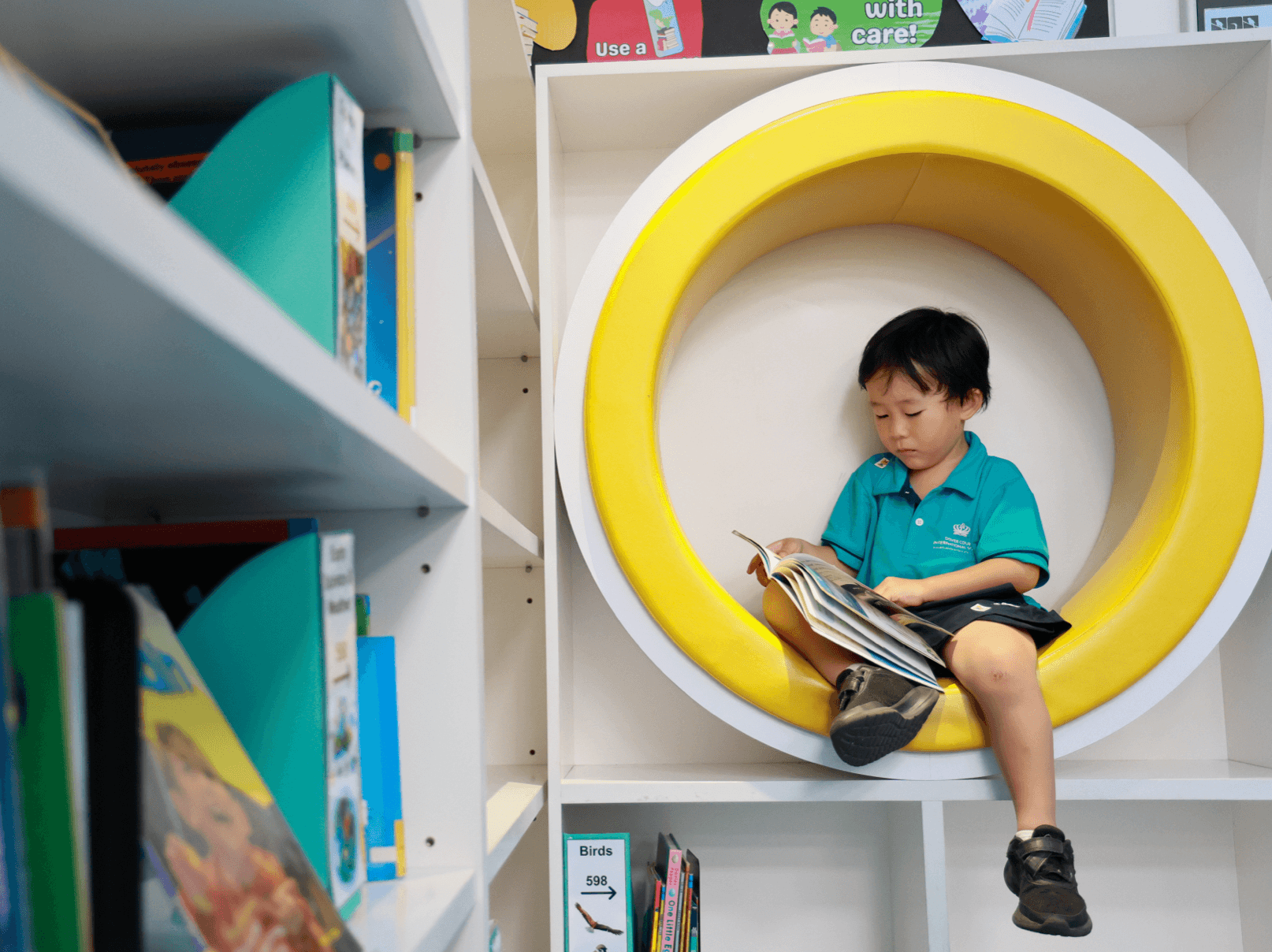
- Library (Kindergarten)
About The Principal

Luna Deller
Head of NEST
Annual Fees
Social Media
faqs
What age can children start preschool at Dover Court International School?
Dover Court International School (DCIS) Singapore accepts children into its Early Years programme from age 3, with progression through Nursery and Reception before entering primary school.
Which preschool curriculum does Dover Court International School follow?
The preschool programme at DCIS Singapore follows the British Early Years Foundation Stage (EYFS), covering seven areas of learning including communication, literacy, numeracy, physical development, and expressive arts. This is delivered through a Reggio Emilia-inspired approach, where learning is guided by children’s interests, inquiry, and exploration.
Does Dover Court International School have a nut or allergy policy?
Yes, the Dover Court International School (DCIS) campus operates as a nut-free environment to support student safety. The policy is followed across the school community, with qualified school nurses available on campus to provide care if required.
How long is the waiting list at Dover Court International School?
Dover Court International School is a well-established school in Singapore, and many year groups operate at or near full capacity. However, as Singapore is a highly mobile city, places become available throughout the year.
Early Years (Nursery and Reception) is typically the best entry point, with more places available compared to older year groups. Applications remain active across terms, allowing families to be considered as soon as a suitable place opens, with August being the main intake period.
What is the NEST programme at Dover Court International School?
The NEST programme at Dover Court International School is the school’s bespoke early childhood approach for children from Nursery to Year 2.
It brings together the UK Early Years Foundation Stage with Reggio Emilia inspired learning, encouraging children to explore, ask questions, build confidence and develop through purposeful play.
What makes the NEST early years approach at DCIS different?
NEST at DCIS places strong emphasis on belonging, curiosity and child-led exploration. Children learn through play, enquiry, collaboration and hands-on experiences, supported by early years educators who see each child as capable, curious and resilient.
Learning spaces such as ateliers, sensory gardens and exploratory environments are designed to help young children build independence, confidence and a love of learning.